


How to Wash Clothes Properly
Washing clothes may seem simple—put everything in the machine, add detergent, and press start.
But if you want cleaner, fresher, longer-lasting clothes, you need to follow the right process.
This beginner’s guide explains exactly how to wash clothes properly, what detergents to use, how to sort laundry, wash temperatures, drying tips, and common mistakes to avoid.
Why Learning to Wash Clothes Properly Matters
Cleaning your clothes the right way helps you:
- Make garments last longer
- Prevent fading, shrinking & fabric damage
- Remove stains effectively
- Save time, water & electricity
- Maintain hygiene, especially for kids or sensitive skin
Whether you’re a student, first-time homemaker, or just want to improve your laundry routine, this guide teaches you everything step-by-step.
1. Sort Your Clothes Before Washing
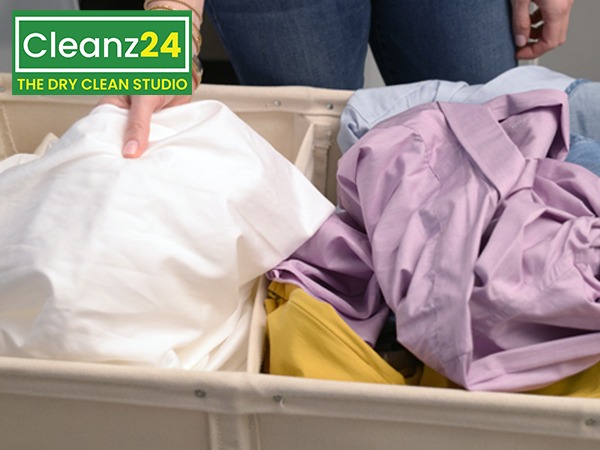
Sorting is the most important step. Mixing the wrong fabrics or colors can ruin clothes.
Sort by Color
- Whites
- Light colors (pinks, yellows, light blues)
- Dark colors (blacks, navy, maroon)
- New clothes (usually color-bleed—wash separately first)
Sort by Fabric Type
- Cotton
- Wool
- Silk
- Denim
- Activewear / synthetic materials
Sort by Soil Level
- Very dirty → wash separately
- Lightly soiled → regular wash
Tip: Always check care labels inside the garment.
2. Check the Care Label
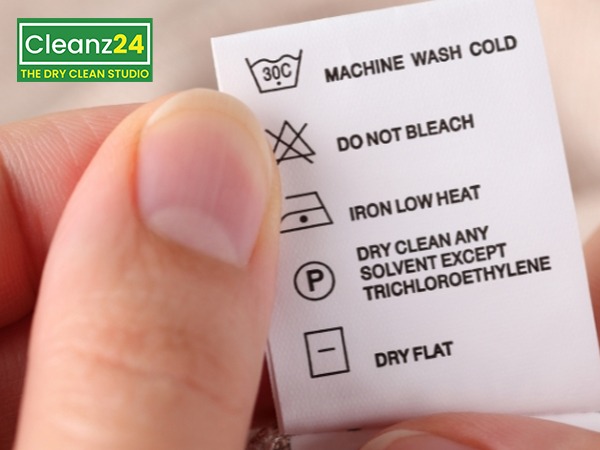
Clothes have small tags that tell you:
- Water temperature
- Wash cycle
- Drying method
- Ironing instructions
Common label terms:
- Machine wash warm → 40°C
- Hand wash only
- Do not bleach
- Tumble dry low
Never ignore these instructions—they prevent damage.
3. Treat Stains Before Washing
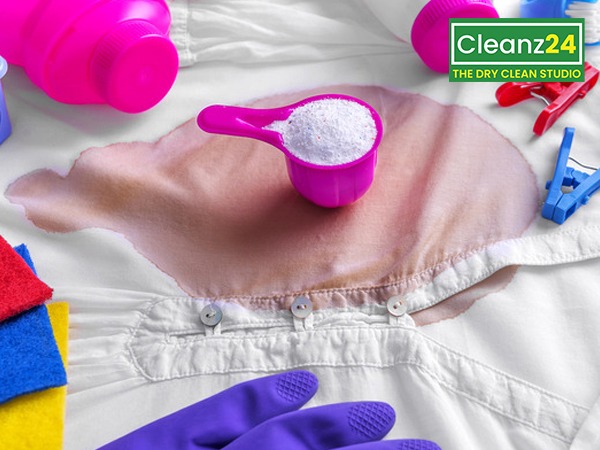
For best results, treat stains immediately.
Common Stains & Quick Treatments
- Oil/Grease: Apply dish soap directly
- Ink: Dab with rubbing alcohol
- Coffee/Tea: Rinse with cold water
- Blood: Cold water + mild detergent
- Sweat stains: Baking soda paste
Never use hot water on stains—it sets the mark.
4. Choose the Right Detergent

Your detergent affects cleaning quality.
Types of Detergents
- Liquid detergent → best for stains
- Powder detergent → best for whites, dirt
- Detergent pods → convenient but costlier
- Mild detergent → for baby clothes or sensitive skin
Choose HE (High-Efficiency) detergent for modern machines.
5. Select the Right Wash Cycle
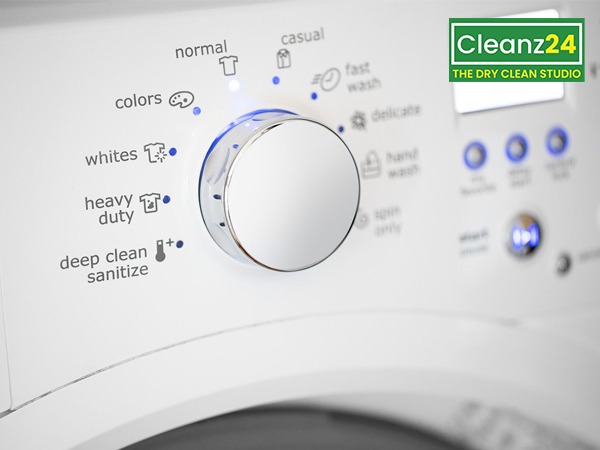
Different fabrics need different wash cycles.
Common Washing Machine Cycles
| Cycle | Best For | Notes |
|---|---|---|
| Normal / Cotton | Everyday clothes, bedsheets | Strong agitation |
| Delicate / Gentle | Lingerie, silk, soft fabrics | Light agitation |
| Wool Cycle | Wool sweaters | Prevents shrinkage |
| Quick Wash | Lightly soiled small loads | Not for dirty clothes |
| Heavy Duty | Towels, jeans | Extra agitation |
6. Choose the Correct Water Temperature
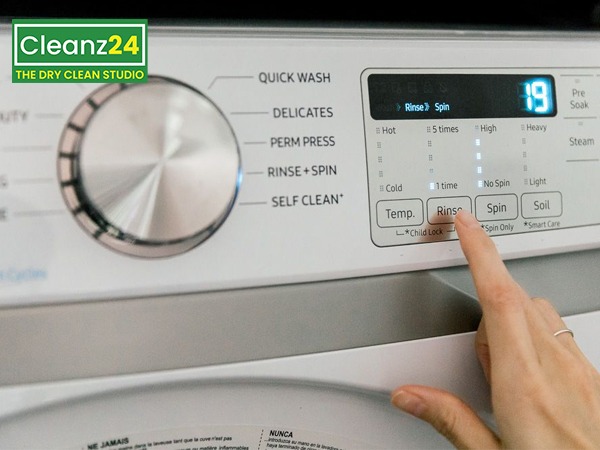
Temperature plays a major role in cleaning.
Hot Water (60°C+)
- Whites
- Towels
- Bed linens
- Very dirty clothes
- Kills germs
Warm Water (40°C)
- Jeans
- Cotton T-shirts
- Mixed loads
Cold Water (30°C)
- Dark clothes
- Delicate fabrics
- Prevents shrinking and color fading
Cold water is energy-saving and safe for most garments.
7. Do Not Overload the Washing Machine
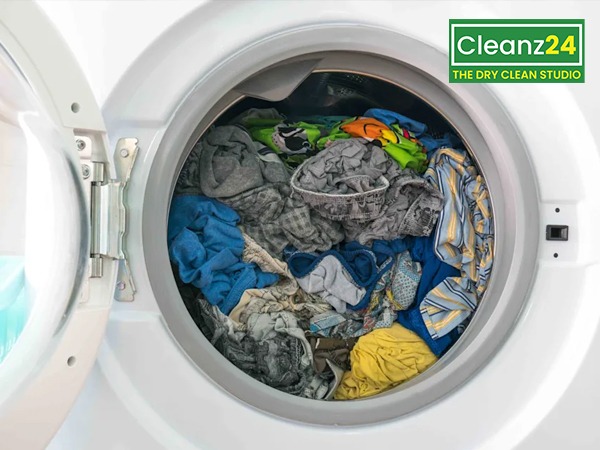
Overloading causes:
- Poor cleaning
- Detergent residue
- More wrinkles
Rule: Leave one hand-width of space on top before closing the drum.
8. Dry Clothes the Right Way
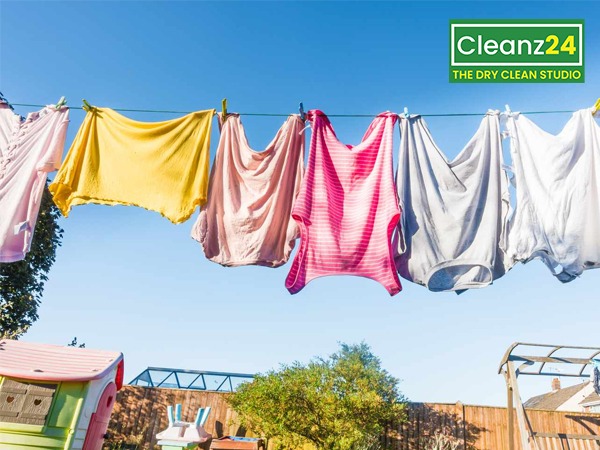
Drying properly ensures fabric longevity.
Machine Drying
- Use low heat for delicates
- Use high heat for towels
- Clean the lint filter after each use
Air Drying
- Hang cotton & synthetics
- Dry wool flat to avoid stretching
- Keep clothes out of direct sunlight to prevent color fading
9. Iron & Fold Clothes Correctly
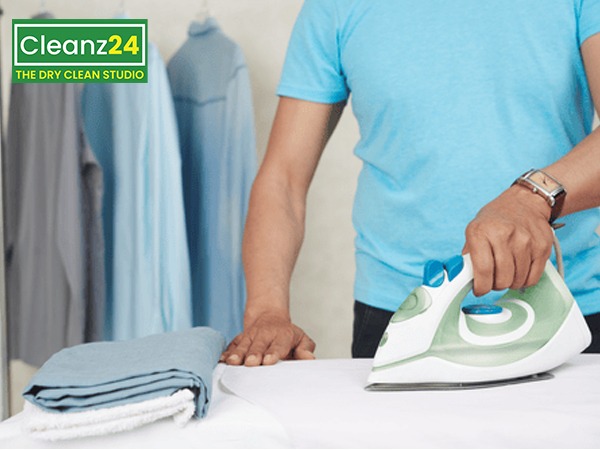
- Follow the temperature settings on the iron
- Iron inside-out for dark clothes
- Fold immediately to avoid wrinkles
10. Common Laundry Mistakes to Avoid

- Mixing whites and darks
- Using too much detergent
- Ignoring stains
- Washing delicate fabrics with heavy items
- Letting wet clothes sit in the machine
- Using hot water for everything
Avoiding these mistakes saves clothes and money.
11. Bonus: Laundry Tips for Beginners
- Keep mesh bags for socks & delicate items
- Use fabric softener for a fresh fragrance
- Add white vinegar to remove detergent buildup
- Use baking soda for odor removal
- Wash new clothes separately first
Frequently Asked Questions (FAQs)
1. How often should I wash my clothes?
- T-shirts, underwear → after each use
- Jeans → after 3–5 wears
- Towels → after 2–3 uses
2. Can I wash all clothes in cold water?
Yes, cold water works for most garments and prevents damage.
3. Should I turn clothes inside out?
Yes—this protects prints and colors.
4. How much detergent should I use?
Follow the label. More detergent ≠ cleaner clothes.
5. Why do my clothes smell bad after washing?
Reasons include overloading, too much detergent, or leaving clothes wet in the machine.
Conclusion
Washing clothes properly doesn’t have to be complicated.
By sorting correctly, using the right detergent, following fabric guidelines, and choosing the right wash cycle, you can make your clothes look newer, smell fresher, and last longer.
Whether you use a fully automatic machine or wash by hand, these steps will help you master the basics of laundry.